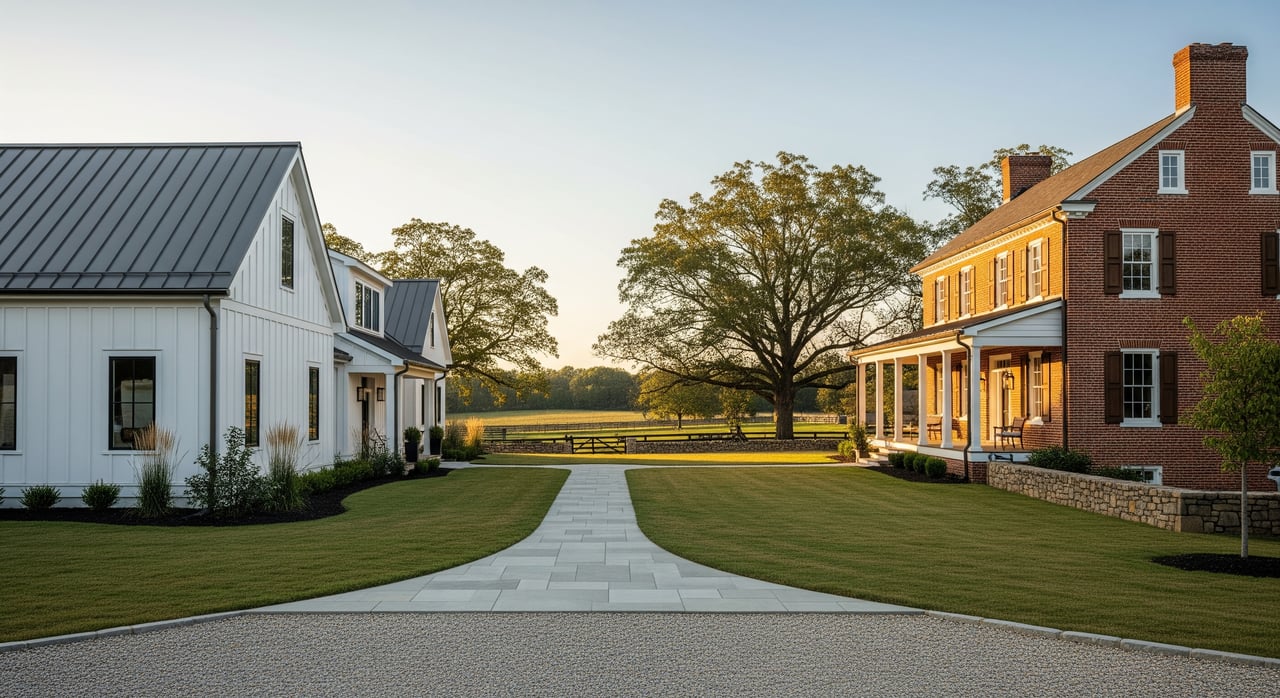
New Construction vs Resale in Simpsonville
January 1, 2026
January 1, 2026
Thinking about whether to build new or buy a resale home in Simpsonville? With steady growth around The Outlet Shoppes of the Bluegrass and easy access to Louisville and Lexington, it’s a smart time to weigh your options. You want the right fit for your timeline, budget, and daily life, without surprises at closing.
In this guide, you’ll learn how new construction and resale compare on timelines, warranties, customization, inspections, financing, and long-term costs. You’ll also get a practical checklist tailored to 40067 so you can decide with confidence. Let’s dive in.
Simpsonville’s retail and highway access attract builders and buyers. New subdivisions often cluster near major corridors and shopping, which can bring modern layouts and nearby amenities. Resale homes may be in established neighborhoods with larger lots and mature landscaping.
School assignments and enrollment can shift as new developments open. Confirm boundaries and projected enrollment with Shelby County Public Schools. For taxes and lot-specific details, check with the Shelby County property valuation administrator and planning and zoning offices.
Growth can affect lot availability, builder activity, and commute patterns. If your routine involves school drop-offs or frequent trips to Louisville, evaluate traffic and travel times during your typical commute windows.
New construction timelines vary by build type and lot readiness. Production or spec homes often take about 3 to 9 months once started. Semi-custom or custom builds can range from 6 to 18 months or longer depending on materials, permitting, weather, and builder backlog. Delays are possible if you request changes or select specialty finishes.
Resale homes usually close faster. A common range is 30 to 60 days from contract to closing, depending on appraisal, inspections, and financing. Cash deals or streamlined contingencies can shorten that timeline.
Bottom line: If you need a set move-in date around a lease end or school start, resale is typically more predictable. If you want tailored finishes and can be flexible, new construction can be worth the wait.
New homes usually include a structured builder warranty. Many follow a common pattern: approximately one year for workmanship items, two years for major systems, and up to 10 years for structural coverage. Ask the builder for written terms, coverage limits, and claim procedures. A thorough walk-through and punch list at closing are essential.
Resale homes do not come with a builder warranty unless one is still active and transferable. You can negotiate repairs after inspections or purchase a home warranty for systems and appliances. Plan a budget for any immediate fixes.
New construction lets you pick floor plans, finishes, and energy or smart-home options within the builder’s program. This is ideal if you want a move-in-ready home designed around your preferences. Keep in mind that upgrades can add to your final price and extend timelines, and change orders can increase costs.
Resale homes offer established neighborhoods, mature landscaping, and unique character that you may not find in newer subdivisions. If you plan renovations, factor in permitting, timelines, and costs to reach your target look and performance.
For new construction, there are municipal inspections and often builder milestone checks. Many buyers also hire an independent inspector at the framing stage and again before closing to review structure, mechanicals, and finishes. Make sure you receive lien waivers from the builder so subcontractors cannot place a lien after closing.
For resale, a general home inspection is standard. Depending on the home, you may also order specialized evaluations such as roof, HVAC, radon, sewer scope, or pest inspections. Inspection findings drive repair requests, credits, or price adjustments.
New construction financing can be more complex. Options include construction-to-permanent loans that convert to a standard mortgage at completion or a standalone construction loan followed by a refinance into a permanent loan. Expect a draw schedule tied to build milestones and possible interest-only payments during construction. Down payment requirements may be higher compared to standard mortgages.
Resale purchases typically use conventional, FHA, VA, or USDA financing where eligible. The process is familiar to most lenders, and timelines often run 30 to 45 days.
Appraisals can differ too. With new construction, appraisers may reference costs and limited comparable sales in a new subdivision. For resale, appraisals rely on recent sales. In fast-moving markets, appraisals can lag actual offer prices, so build a small buffer into your plan.
The price for a new home includes the base price plus lot premiums and any upgrades. Budget for items sometimes not included, such as landscaping, window coverings, fencing, or driveways. Some builders offer incentives, like rate buydowns or closing cost credits, especially for spec inventory.
Resale homes can carry immediate repair or refresh costs. You might buy a one-year home warranty for peace of mind. Property tax assessments for newer builds can differ from older homes, so confirm with the county assessor.
When you compare total cost, include purchase price, upgrades or repairs, interest during construction if applicable, energy and maintenance, HOA fees, and taxes.
Newer subdivisions commonly include HOAs with design guidelines, fees, and rules regarding exterior materials and rentals. Review the covenants, conditions, and restrictions and budget for dues. Ask for the subdivision plat and check setbacks, easements, and drainage plans.
Resale homes may be in established HOAs with existing budgets and reserves. Review financials and meeting minutes to spot possible assessments. For any home, evaluate grading, stormwater flow, and any history of basement moisture.
Use this quick checklist to decide between new construction and resale in Simpsonville.
Your best choice comes down to a few questions. Do you need a precise move-in date or can you allow several months for building and selections. Do you value custom finishes and energy efficiency or prefer an established neighborhood and quicker closing. Do the HOA rules, taxes, and long-term carrying costs align with your lifestyle.
If you’d like a local, hands-on advisor to help you compare real options in Simpsonville, lean on a pro with deep mortgage and title experience plus strong builder relationships. Connect with Ken Ransdell to map your path, whether that means a smart resale purchase or a smooth new build. Start your search or get a free home valuation today.
Stay up to date on the latest real estate trends.


Trust him for down-to-earth, expert real estate guidance in Louisville. His local market savvy, strong negotiation skills, and personalized service make your buying or selling experience clear, confident, and rewarding—reach out to him today.