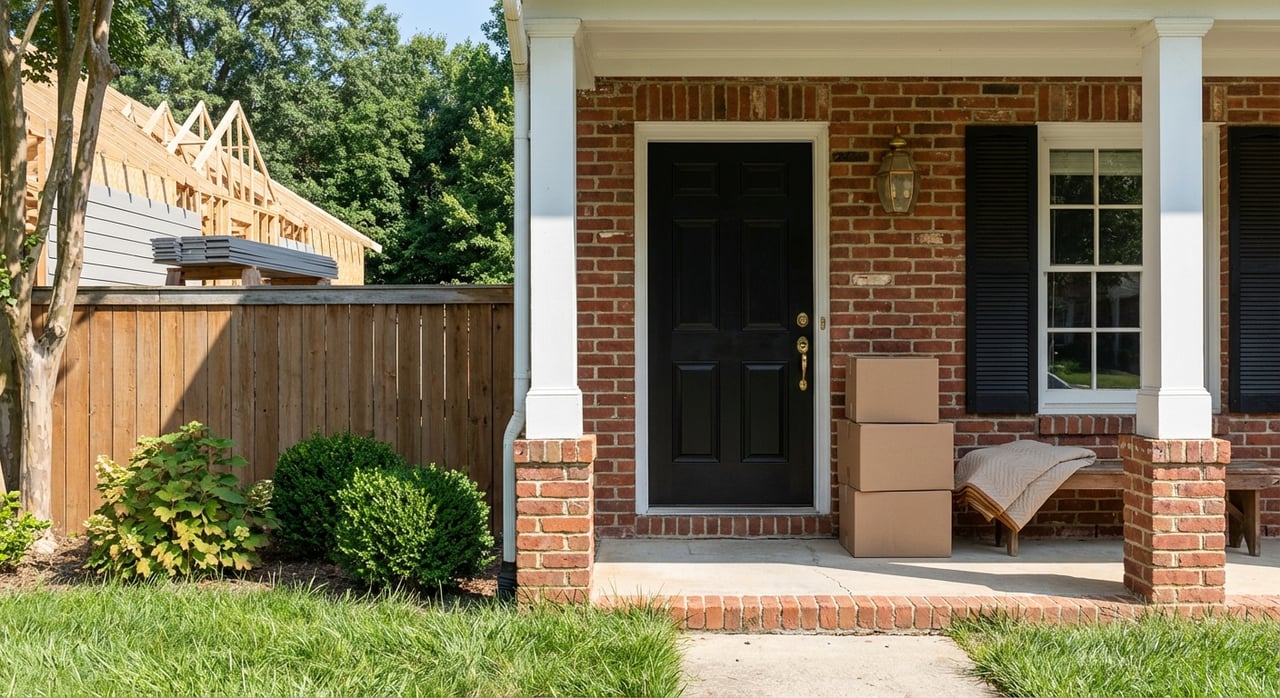
Simpsonville New Construction Move-Up Strategies in 40067
February 19, 2026
February 19, 2026
Planning to sell your current home and build new in Simpsonville? You are not alone. Many local homeowners want more space, smarter layouts, and modern systems without losing the conveniences of 40067. In this guide, you will learn how to time your sale, choose the right financing, navigate permits, and close smoothly on a new build in Simpsonville. Let’s dive in.
Simpsonville is earning attention for practical reasons. Recent industrial and logistics investment, including the Simpsonville 64 Logistics Park, supports near-term housing demand and builder interest across Shelby County. That can translate into phase releases, lot premiums, and faster absorption in new communities. You can review the latest project highlights in the Lane Report coverage of the logistics park.
Local price snapshots often place Simpsonville in a mid-price band for Shelby County. Inventory and days on market shift with the Louisville metro’s rhythm, and lot availability can tighten when builders see steady demand. If you are planning a move-up, that market context helps you decide whether to sell first, buy first, or negotiate a sale contingency.
New construction is a months-long process, so your move-up plan should start early. Industry summaries place typical single-family build times in the multi-month range, commonly 6 to 12 months for production or semi-custom, with custom builds often longer. For a clear national overview of build-time ranges, see this summary of how long it takes to build a house.
You will choose a lot, floor plan, and initial options, and negotiate deposits and any lot premiums. Some builders allow a short lot hold while you prepare your home for market. Get all terms and deadlines in writing.
Permitting can be quick or slow depending on jurisdiction, utilities, and review schedules. If your lot is inside city limits, the City of Simpsonville permits portal is your starting point for filings and inspections. If the site is outside the city, county or joint planning bodies may apply, which can affect timelines. Confirm which office governs your parcel before you set a target move date.
Production builds often run 6 to 12 months from site start to certificate of occupancy. Spec or modular options can be faster, and custom homes frequently run longer. Weather, materials, inspections, and change orders all influence the schedule. Plan some buffer time so your sale and move do not get squeezed.
After substantial completion, expect punch-list work, final inspections, and any appraisal updates if your loan required a subject-to-completion review. Builders and lenders coordinate final draws and holdbacks. For a quick overview of closing mechanics on builder transactions, review this builder program summary.
Coordinating the sale of your current home and a new build is the heart of a smooth move-up. Here are the three main paths.
Your financing choice should match your equity, risk tolerance, and timeline. Here are the primary options to explore with your lender.
A construction-to-permanent loan funds the build and then converts to a standard mortgage at completion. It means one closing and often clearer total costs. FHA and other lenders offer one-time-close options, subject to program rules and lender overlays. Learn the basics in this FHA one-time-close overview.
This path uses an interim construction loan with interest-only draws, then a separate permanent mortgage at the end. It can provide flexibility but adds another closing and more paperwork. Compare fees and timelines across options, starting with this construction-loan primer.
A HELOC can unlock equity in your current home with potentially lower carrying costs if you have time for underwriting. Bridge loans are short term and can fill tight timing gaps when you need to move first. Both options reduce reliance on a sale contingency but add carrying costs and lien coordination at closing.
Builders often partner with preferred lenders and title companies to streamline approvals and closings. Incentives like rate buydowns or closing-cost credits can be attractive. You are always free to shop. If there is an affiliated business relationship, federal rules require a written disclosure that explains the relationship and your choice to use other providers. You can read the model disclosure language in Regulation X Appendix D.
Final timing is often set by title commitments, lender clearances, and inspection sign-offs. If you are aiming for same-day or back-to-back closings, loop in the title company early so they can coordinate payoffs and wiring cutoffs. Confirm wiring instructions by phone using known numbers to reduce fraud risk. A few proactive calls can save a lot of stress.
Build your total monthly budget with property taxes in mind. Effective rates in Simpsonville are often reported in roughly the 1.1 to 1.2 percent range, though your exact amount depends on assessed value and local levies. For a quick local snapshot, see Simpsonville property tax trends, and confirm exact numbers with the Shelby County PVA or Clerk before you finalize.
Use this high-level checklist to keep your move-up on track.
You deserve a plan that protects your timing and your budget. With deep experience in mortgage and title, and hands-on knowledge of Louisville-area builders, we will help you line up financing, navigate permits, and coordinate a smooth closing in 40067. If you are thinking about selling and building new, reach out to Ken Ransdell to map your best path forward.
Stay up to date on the latest real estate trends.




Trust him for down-to-earth, expert real estate guidance in Louisville. His local market savvy, strong negotiation skills, and personalized service make your buying or selling experience clear, confident, and rewarding—reach out to him today.