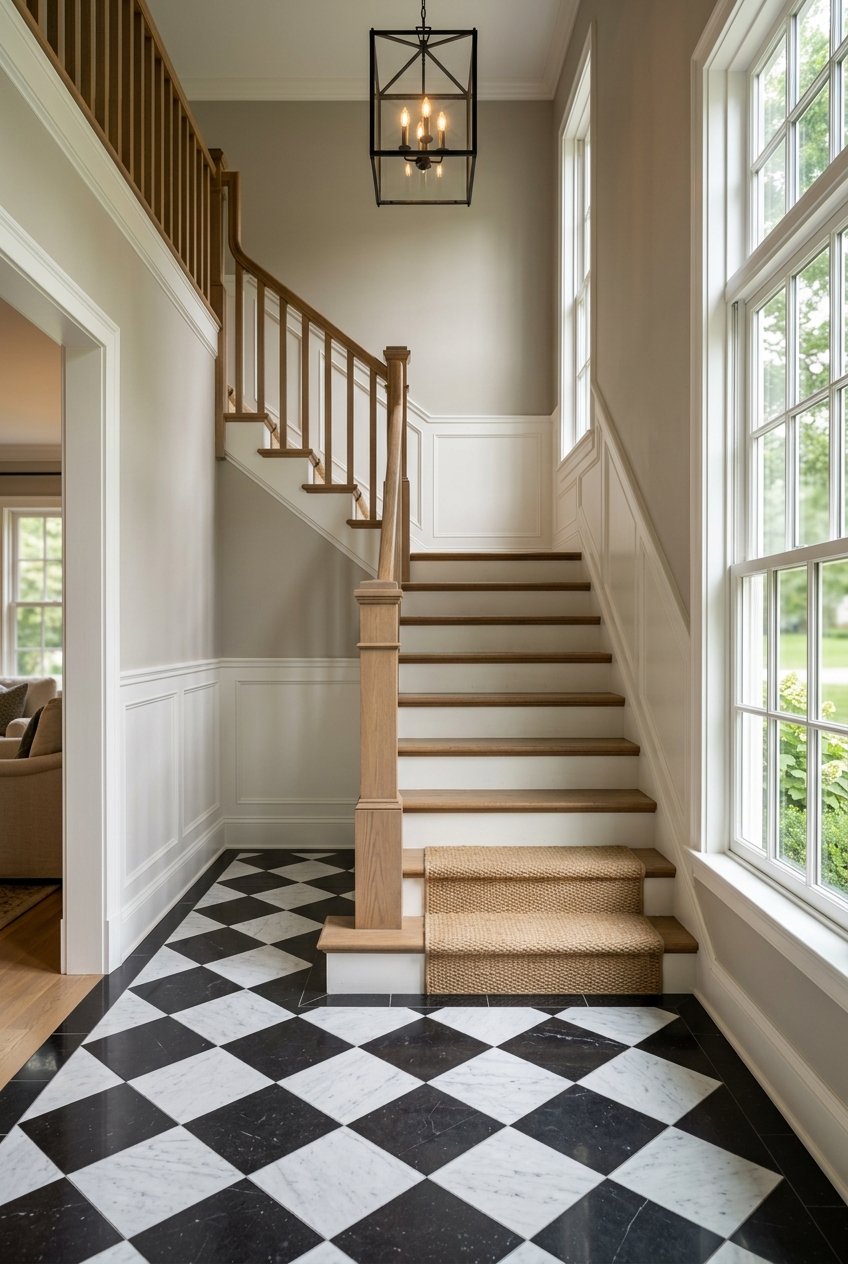
A Smart Guide to Move-Up Buying in Mt. Washington
June 18, 2026
June 18, 2026
Need more room, but do not want to leave Mt. Washington behind? You are not alone. In a growing, owner-heavy market like 40047, many homeowners reach a point where the current house no longer fits the way they live. The good news is that moving up can be very doable when you plan the numbers, timing, and sale strategy together. Let’s dive in.
Mt. Washington continues to grow, with an estimated population of 18,989 as of July 1, 2025, up 5.0% from 2020. The city is also heavily owner-occupied at 86.1%, and 25.6% of residents are under 18. That local picture helps explain why many buyers want more space without leaving the area.
For you, that may mean adding bedrooms, creating a home office, finding a larger yard, or choosing a layout that works better for everyday life. Whatever the reason, a move-up purchase is usually less about starting over and more about improving how you live. In Mt. Washington, that often means staying local while upgrading size and function.
Before you shop for a larger home, it helps to understand how the current market is behaving. Several market snapshots show that Mt. Washington is active, but inventory is not especially deep.
As of late May 2026, Zillow reported a typical home value of $328,459, a median sale price of $315,917, 110 for-sale listings, and a median days-to-pending of 14 days. Realtor.com showed 186 for-sale properties in ZIP code 40047, a median list price of $349,900, and a median days on market of 64. Redfin reported a May 2026 median sale price of $314,907 and median days on market of 52.
These numbers do not match exactly because each platform uses its own method. Still, the takeaway is clear: pricing and preparation matter, and well-positioned homes can move quickly. That matters whether you are selling your current home, buying your next one, or trying to do both on a tight timeline.
One of the biggest mistakes move-up buyers make is focusing only on the new purchase price. Your next monthly payment matters, but so do all the costs around the move.
According to CFPB guidance, you should plan for:
CFPB notes that closing costs typically run about 2% to 5% of the purchase price, not including the down payment. It also recommends keeping roughly 3 to 6 months of expenses in reserve. That can make the transition feel much more manageable, especially if your move involves overlapping costs for a short period.
Interest rates also affect affordability more than many buyers expect. Freddie Mac reported a national 30-year fixed average of 6.52% on June 11, 2026. Even a small rate change can shift your monthly payment in a meaningful way when you move into a larger home.
For many move-up buyers, equity in the current home is the main source of funds for the next purchase. Fannie Mae defines equity as your home’s current market value minus your mortgage balance.
In Mt. Washington, Zillow reported that the typical home value reached $328,459 as of May 31, 2026, up 2.8% from the prior year. That suggests many local homeowners may have built additional value. Still, your usable equity depends on your actual loan payoff, your sale price, and the costs of selling.
A practical first step is to estimate:
This is where careful planning can save you stress. A move-up plan works best when your sale proceeds, next-home budget, and monthly comfort level are all lined up before you start making offers.
When you compare homes, look beyond principal and interest. Property taxes should be part of your monthly estimate from the start.
The Kentucky Department of Revenue says real property taxes depend on assessed value and state and local tax rates. In Bullitt County, the PVA assesses property value but does not set tax rates or collect taxes. The assessment date is January 1, which is useful to know as you compare one property to another.
If you qualify, Kentucky also offers a homestead exemption for eligible homeowners who are at least 65 or totally disabled. The Kentucky Department of Revenue set the maximum homestead exemption at $49,100 for the 2025 to 2026 tax periods. For most move-up buyers, the main point is simple: estimate the full monthly cost of the new home, not just the mortgage payment.
A move-up purchase does not always mean you have to do everything with sale proceeds alone. Kentucky Housing Corporation says certain programs may be available to first-time or repeat homebuyers, depending on the county and program guidelines.
KHC also states that some programs require a minimum 620 credit score, the home must be in Kentucky, and the buyer must occupy it within 60 days of closing. Its down payment assistance can help with down payments, closing costs, and prepaids. For some households, that can make the timing between selling and buying much easier to manage.
This is one of the biggest questions in any move-up plan. In many cases, selling first offers the most financial clarity.
CFPB says that if you want to move, you normally try to sell your home before buying another one. The biggest reason is simple: it reduces the risk of carrying two mortgage payments at once. If your budget would feel tight with overlapping housing costs, selling first is often the safer path.
Still, buying first may make sense in some situations, especially if the right larger home appears before your current home sells. In that case, your strategy needs to be stronger and more detailed.
When buying and selling do not line up perfectly, there are a few common ways to bridge the gap. NAR identifies several options that may help structure the transition.
These can include:
A bridge loan is short-term financing that can let you access equity before your current home is sold. That may help you buy first without making your offer contingent on a sale. However, you still need enough credit and income to support the transition.
In Mt. Washington, the right choice usually comes down to certainty versus speed. If you need maximum control over your budget, selling first may be the better fit. If you need flexibility to secure the right larger home quickly, you may need a contingency plan, a rent-back option, or a bridge strategy.
A move-up purchase is rarely one simple transaction. In 40047, it is smarter to think of the process as a sequence.
You may need time to:
That sequence matters in a market where inventory is active but not abundant. Zillow showed 110 active listings and 42 new listings as of May 31, 2026. Realtor.com also reported a month-over-month drop in for-sale count of 16.91%, which suggests you should not assume the right larger home will wait around.
It also helps to understand the spread between smaller homes and larger homes in the area. Current examples cited by Zillow included a 3-bedroom home at $237,500 and a 5-bedroom home at $485,000. Realtor.com sample listings also showed 3- and 4-bedroom homes in roughly the low-to-mid $300,000s.
That range matters because moving up is not just about finding a bigger home. It is about deciding how much more space you want, what monthly payment feels comfortable, and how much of your equity you want to use.
The market is also not moving the same way in every price range. Zillow reported that 17.5% of sales were above list price and 53.7% were below list price. That tells you negotiation still matters, and price, condition, and location all play a major role.
The smoothest move-up transitions usually start with a plan, not a search. Before touring larger homes, it helps to answer a few key questions clearly.
Ask yourself:
When you answer those questions early, you can move faster and with more confidence. That is especially helpful in a market like Mt. Washington, where a well-priced home can go pending quickly and the right larger home may not stay available for long.
A move-up purchase has more moving parts than a first-time purchase or a straight sale. You are balancing valuation, timing, financing, negotiation, and closing details all at once.
That is where working with a hands-on local advisor can make a real difference. Ken Ransdell brings experience across real estate, mortgage, and title-related closing mechanics, which can help you think through the full picture from net proceeds to contract timing. If you want a clear plan for moving up in Mt. Washington, connect with Ken Ransdell to start your search or get a free home valuation.
Stay up to date on the latest real estate trends.

Trust him for down-to-earth, expert real estate guidance in Louisville. His local market savvy, strong negotiation skills, and personalized service make your buying or selling experience clear, confident, and rewarding—reach out to him today.