Historic Downtown La Grange vs Subdivisions: Which Fits You?
July 9, 2026
July 9, 2026
Wondering whether life in historic downtown La Grange or a newer subdivision will suit you better? It is a common question, especially if you want the right mix of character, convenience, space, and day-to-day ease. The good news is that La Grange offers both a well-defined historic core and several subdivision-style options, each with clear advantages depending on how you like to live. Let’s break it down.
La Grange, the county seat of Oldham County, is described by the city as a relaxed suburban community about 20 minutes northeast of Louisville. It also has a downtown identity that is hard to confuse with anywhere else, with the CSX rail line running through Main Street in the central business district.
That local contrast shapes the home search in 40031. If you are choosing between the historic downtown area and a subdivision community, you are really choosing between two different rhythms of daily life.
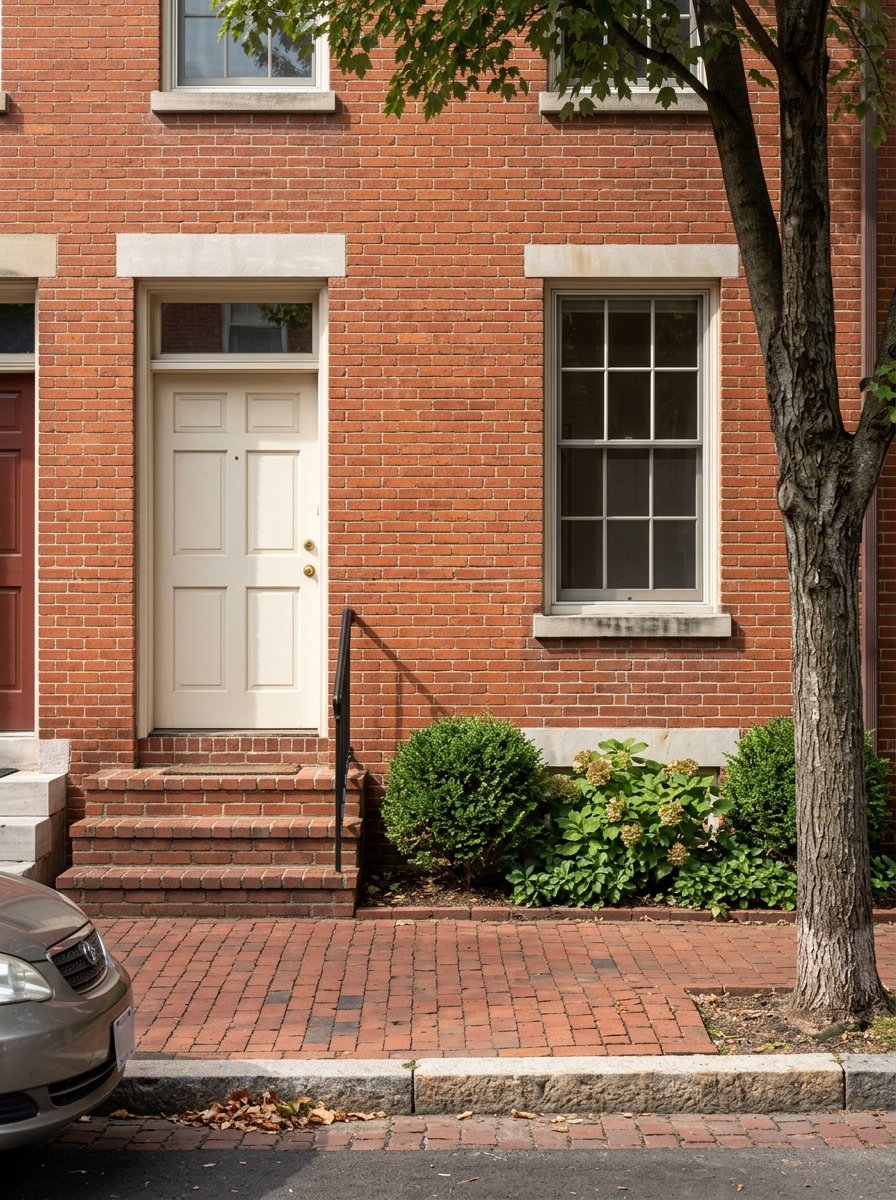
The historic core of La Grange is more than a small cluster of older buildings. The Central La Grange Historic District covers much of the city’s historic area, including streets such as Washington, Main, Jefferson, Kentucky Avenue, and First through Sixth Avenues, with periods of significance stretching from the 1800s into the mid-20th century.
That means downtown living is closely tied to older homes, mixed-use surroundings, and a strong sense of place. The district includes residential, governmental, religious, and transportation-related resources, which gives the area a layered, established feel.
If you are drawn to architecture, downtown La Grange may immediately stand out. The historic district includes styles such as Bungalow/Craftsman and Late Victorian, while nearby Russell Court reflects late 19th- and early 20th-century American movements and revivals.
For many buyers, that translates into homes with more individual design details and a less uniform streetscape. If you want a home that feels tied to La Grange’s history, downtown is usually the clearest fit.
The historic core is also the more pedestrian-oriented part of La Grange. The city’s downtown setting, historic-district guidelines, and local bus service together point to an area where sidewalks and foot traffic matter more than they typically do in newer neighborhoods.
La Grange’s city bus runs on weekdays from 5:45 a.m. to 5:00 p.m. with low fares. Even so, most people will still rely on a car for many trips, but downtown may give you more options for short errands or local outings on foot.
Historic-district living comes with added oversight. In the district, a Certificate of Appropriateness is required before city or county permits can be issued, and the guidelines address sidewalks, driveways, paved areas, and parking.
That matters if you are thinking ahead about exterior changes. The guidelines also indicate a more compact lot pattern, with parking often placed to the rear and garages in most parts of the district not attached and fronting on an alley.
Historic downtown La Grange tends to fit buyers who want:
If that sounds like you, the tradeoff may feel well worth it. You may give up some yard size or parking flexibility, but gain location, history, and character.
Subdivision living in La Grange tends to feel more planned and more uniform from one street to the next. Depending on the community, you may find newer homes, structured neighborhood standards, and amenities or shared green space that support a more typical suburban routine.
This category is not one-size-fits-all. In La Grange, nearby examples range from low-maintenance communities close to downtown to newer single-family neighborhoods with larger green-space components.
Artisan Park describes itself as a low-maintenance community of quaint craftsman homes near downtown La Grange. It also features a 3-mile bike and walking path on Commerce Parkway.
The Reserve at L'Esprit is a newer single-family-home community off Old Sligo Road. It advertises more than 20 acres of green space, including a 15-acre park, with home plans ranging roughly from 1,959 to 3,161 square feet.
These examples show how subdivision living can vary. One option may prioritize convenience and lower maintenance, while another may lean toward newer construction and more open space.
Many subdivision communities come with more formal rules than you will find outside planned developments. In La Grange, deed restrictions in HOA communities may regulate items such as garage doors, landscaping, fences, and garbage can placement.
Some communities also require assessments and compliance with declarations, bylaws, and board-adopted rules. For buyers who like predictable neighborhood standards, that can feel helpful. For others, it may feel more restrictive.
Compared with the historic core, subdivisions generally offer more flexibility for garages, driveways, and outdoor space, though the exact setup depends on the neighborhood. Some are designed to be lower maintenance, while others offer a more open suburban feel.
If you want a newer home or a setting that feels more planned from the start, a subdivision may check more boxes. The tradeoff is that you may have less of the one-of-a-kind architectural character that defines downtown La Grange.
Subdivision communities often fit buyers who want:
If you value structure, consistency, and a more modern neighborhood format, a subdivision may feel like the more comfortable choice.
Commute patterns matter in both settings. La Grange’s mean travel time to work is 25.5 minutes, and Oldham County’s is 26.2 minutes.
The city describes La Grange as about 20 minutes northeast of Louisville, and major routes like US 42 and I-71 play an important role in how people move around this area. Communities such as L'Esprit also highlight access from I-71 Exit 22, which reinforces how freeway access can shape suburban living.
For many buyers, this means subdivision living may line up better with a car-based commute, especially if quick highway access is a priority. Downtown may offer more short-trip convenience, but most households in either setting will still depend on driving for work and many daily activities.
| Feature | Historic Downtown La Grange | La Grange Subdivisions |
|---|---|---|
| Home style | Older homes with historic character | Generally newer or newer-style homes |
| Neighborhood feel | Mixed-use, established, distinctive | Planned, more uniform, suburban |
| Walkability | More pedestrian-oriented | Usually more car-oriented |
| Parking | Often tighter and more regulated | Typically more flexible |
| Yard space | Often more limited | Often more flexible, varies by community |
| Exterior changes | Historic review may apply | HOA rules may apply |
| Commute pattern | Good for short local trips, still car-dependent | Often shaped by freeway access |
Yes, and for some buyers, that is the smartest answer. If you like the idea of being close to downtown but prefer a more managed, lower-maintenance setup, Artisan Park is the clearest local example of a hybrid option.
It offers a subdivision format while staying close to downtown La Grange and adding a bike and walking path. That kind of middle-ground choice can work well if you want some neighborhood structure without feeling too far removed from the city’s historic center.
If you are still unsure, start with your daily habits instead of your wish list. Think about how often you want to walk to local destinations, how much exterior freedom you want, and whether you prefer historic character or a more predictable neighborhood setup.
It also helps to think one step ahead. If you are comparing move-up options, new construction, or a future resale plan, a neighborhood-by-neighborhood review can reveal which choice better supports your timeline and budget.
A clear side-by-side comparison usually makes the answer easier. With the right guidance, you can narrow your search based on how you actually want to live, not just how a home looks online.
If you are weighing historic downtown La Grange against subdivision living in 40031, working with a local advisor who understands both neighborhood character and the details of the transaction can make the process much smoother. Ken Ransdell can help you compare options, refine your search, and move forward with confidence.
Stay up to date on the latest real estate trends.
Trust him for down-to-earth, expert real estate guidance in Louisville. His local market savvy, strong negotiation skills, and personalized service make your buying or selling experience clear, confident, and rewarding—reach out to him today.