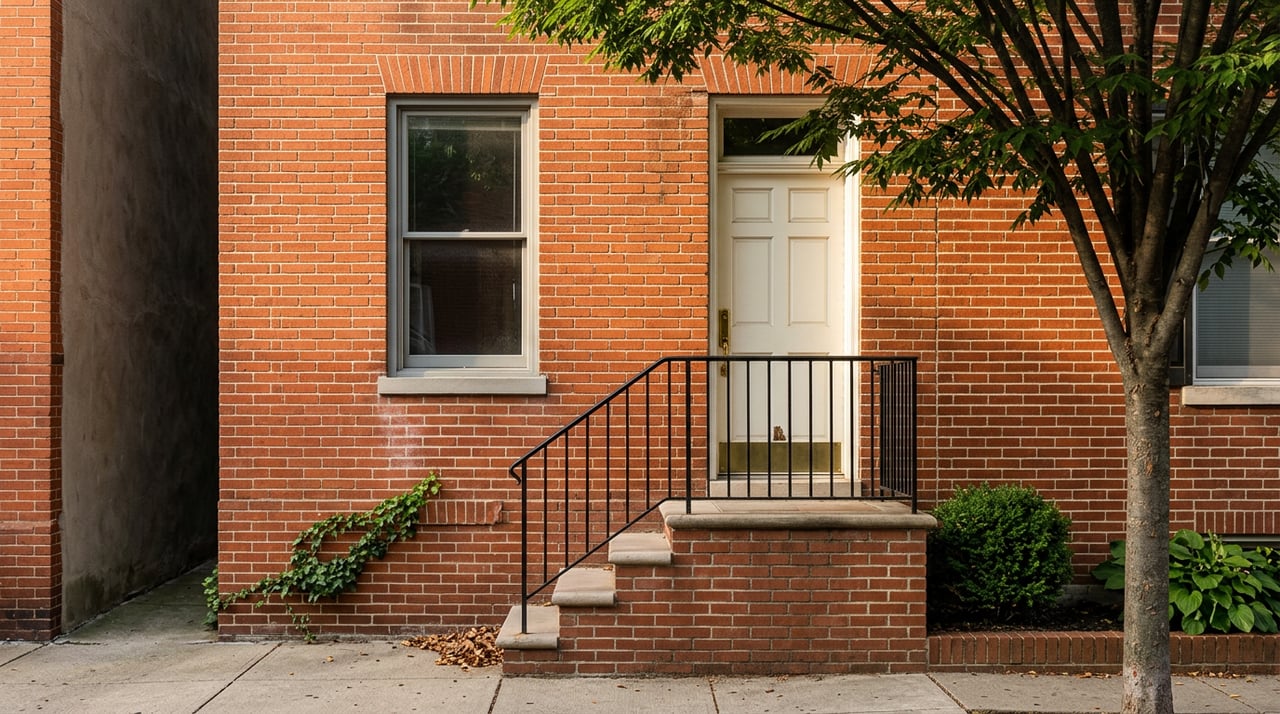
In These Louisville Neighborhoods, the Home Inspection That Matters Is Underground
August 20, 2026
August 20, 2026
A standard home inspection in Louisville checks the roof, the panel box, the furnace, the grout lines in the shower. It does not check the sewer lateral, the pipe that carries wastewater from the house to the street. That pipe is buried three to six feet down, and in a large swath of the city's older neighborhoods, it is doing a job it was never built for: carrying both sewage and stormwater through the same line during a storm.
If you own a home in Old Louisville, Germantown, Schnitzelburg, the Highlands, Clifton, Crescent Hill, Portland, Butchertown, or Irish Hill, that detail is not trivia. It is the single biggest unpriced risk sitting in your listing, and the buyer's inspector will find it before you do unless you look first.
Louisville and Jefferson County's Metropolitan Sewer District runs one of the largest combined sewer systems in the country. Roughly 19,000 acres of the urban core, covering the neighborhoods listed above, still routes stormwater and sanitary sewage through a single set of pipes, a design that predates modern separated systems by decades. About 60 percent of the city's urban core sits inside this combined sewer footprint, which means the exposure here is not a fringe problem affecting a handful of unlucky addresses. It is a structural feature of how a large share of the housing stock is plumbed.
MSD has been working to modernize this system under Project WIN, a $4.3 billion federal consent decree aimed at reducing sewer overflows into local waterways. That work is real progress, but it also means the cost of remediation, backwater valves, overhead sewer conversions, sump pump upgrades, runs higher here than in a comparable city without a similar decree in place.
The pattern is predictable enough that you can set your calendar by it. Backup events cluster during spring storms, when the combined system pushes past capacity as the Beargrass Creek and Ohio River drainage areas fill faster than the pipes can move water. Houses built before 1940 in these neighborhoods often still carry original cast iron drain stacks and galvanized supply risers behind the walls, even after a kitchen or bath renovation swapped in PEX or copper where it shows. The failure point that shows up again and again is a corroded cast iron branch fitting feeding the kitchen sink, invisible until the day it isn't.
None of this means these are bad houses. It means the risk is structural and neighborhood-specific rather than random, which is exactly why a generic pre-listing checklist misses it.
A standard home inspection is a visual walkthrough. A sewer scope, sometimes called a camera inspection, threads a waterproof camera through the lateral line itself and shows the technician exactly what is happening inside the pipe: root intrusion from a mature tree canopy, an offset joint, a belly where the line has settled and started collecting waste instead of draining it. Because the sewer lateral is buried and out of sight, these defects can sit undetected for years, and they are precisely the kind of finding that turns a buyer's due diligence period into a renegotiation.
The scope itself is a modest cost relative to what it protects. Doing it before you list, rather than letting a buyer's inspector do it during their contingency period, puts you in control of the timeline and the fix instead of scrambling to respond to someone else's bad news two weeks before closing.
If a scope does turn up a problem, the cost depends on what's found and how it's addressed. Based on 2026 pricing for the most common remediation path on a recurring-backup property:
| Repair | Typical Cost Range |
|---|---|
| Backwater valve | $400 to $1,200 |
| Battery backup sump pump | $300 to $800 |
| Overhead sewer conversion | $3,500 to $9,500 |
| Combined upgrade budget | $4,200 to $11,500 |
That top-line number gets easier to live with once you know MSD's cost-share can reduce the homeowner's share by 30 to 60 percent depending on neighborhood priority, provided the application is filed before installation rather than after.
MSD runs a Plumbing Modification Program that has helped more than 17,000 customers protect their basements from sewer backups. When a property is approved, MSD pays a licensed plumbing contractor directly to install the backflow prevention device, at no charge to the homeowner. There is a companion Illicit Discharge Program that covers, up to a limited amount, the cost of disconnecting a sump pump from the sanitary sewer system, which is illegal in the first place but common in older homes where a previous owner took a shortcut decades ago. MSD also offers a modest one-time incentive, currently $100 per downspout, for disconnecting downspouts from the wastewater system, though the district asks that you call for an inspection before you alter anything.
None of these programs are widely advertised, and none of them are things a buyer's agent is going to bring up on your behalf. Sellers who know to ask about them before listing tend to walk into the transaction with a plan instead of a surprise.
The reason to act on this now rather than treat it as someday-maintenance comes down to where the market sits in mid-2026. The Greater Louisville Association of Realtors reported a 30 percent jump in homes on the market from January 2025 to January 2026, and local agents describe the shift as a rebalancing after several years of tight inventory and fast-moving sales. Buyers have room to be selective again. In a market where a listing might have absorbed a rough inspection finding two years ago because the buyer had no other options, that same finding today can send a buyer back to the table asking for a price cut, or walking entirely.
That is the actual shift worth understanding here. The infrastructure risk in these nine neighborhoods hasn't changed. What's changed is how much leverage a buyer now has to make you pay for it if you didn't find it first.
Does every home in these neighborhoods need a sewer scope before listing? Not every one, but any home built before roughly 1960 in the combined sewer footprint is a reasonable candidate, especially if there's a history of slow drains, gurgling toilets, or a musty basement smell after heavy rain.
Will MSD's cost-share program help even if I'm planning to move, not stay? The benefit runs with the fix, not the ownership timeline. If a repair is approved and installed before you list, the cost reduction applies to your bill regardless of how soon after you sell.
Can I just disclose the risk instead of fixing it? You can, but an unresolved sewer issue tends to get discovered anyway during the buyer's own inspection period, at which point you're negotiating from a weaker position than if you had already addressed it and could show the paperwork.
If you own a home in one of these neighborhoods and you're weighing a sale, this is exactly the kind of detail worth walking through before you pick a list date. Ken Ransdell has spent more than fifteen years on the mortgage and title side of Louisville closings, which means this conversation happens before it becomes a problem, not after an inspection report lands in your inbox. Start Your Search or Get a Free Home Valuation today.
Stay up to date on the latest real estate trends.

Trust him for down-to-earth, expert real estate guidance in Louisville. His local market savvy, strong negotiation skills, and personalized service make your buying or selling experience clear, confident, and rewarding—reach out to him today.